Greek Mythology Family Tree Greek Mythology Family Tree

In Greek mythology, Ino ( EYE-noh; Aboriginal Greek: Ἰνώ [iːnɔ̌ː] [1]) was a mortal queen of Boeotia, who after her death and transfiguration was worshiped every bit a goddess under her epithet Lefkothea, the "white goddess." Alcman called her "Queen of the Sea" ( θαλασσομέδουσα thalassomédousa),[2] which, if not hyperbole, would make her a doublet of Amphitrite.
Family [edit]
Ino was the second wife of the Minyan king Athamas, mother of Learchus and Melicertes and stepmother of Phrixus and Helle. She was the 2d daughter of Cadmus and Harmonia[3] and one of the three sisters of Semele, the mortal woman of the firm of Cadmus who gave birth to Dionysus. The 3 sisters were Agave, Autonoë and Ino, who was a surrogate for the divine nurses of Dionysus:
Ino was a primordial Dionysian adult female, nurse to the god and a divine maenad. (Kerenyi 1976:246)
Mythology [edit]
Maenads were reputed to tear their own children limb from limb in their madness. In the back-story to the heroic tale of Jason and the Gilt Fleece, Phrixus and Helle, twin children of Athamas and Nephele, were hated by their stepmother, Ino. Ino hatched a stray plot to get rid of the twins, roasting all the crop seeds of Boeotia so they would not grow.[4] The local farmers, frightened of famine, asked a nearby oracle for assistance. Ino bribed the men sent to the oracle to lie and tell the others that the oracle required the sacrifice of Phrixus. Athamas reluctantly agreed. Earlier he was killed though, Phrixus and Helle were rescued by a flying golden ram sent by Nephele, their natural mother. Helle fell off the ram into the Hellespont (which was named after her, meaning Body of water of Helle) and drowned, but Phrixus survived all the way to Colchis, where King Aeetes took him in and treated him kindly, giving Phrixus his daughter, Chalciope, in marriage. In gratitude, Phrixus gave the king the gold fleece of the ram, which Aeetes hung in a tree in his kingdom.

Fragment de mosaique : Ino (Dotô), découverte dans une villa romaine de Saint-Rustice en 1833, IVè ou Vè siècle, MSR, Musée Saint-Raymon
After, Ino raised Dionysus, her nephew, son of her sister Semele,[five] causing Hera's intense jealousy. In vengeance, Hera struck Athamas with insanity. Athamas went mad, slew one of his sons, Learchus, hunting him down like a stag, and set out in frenzied pursuit of Ino. To escape him Ino threw herself into the body of water with her son Melicertes. Both were afterwards worshipped equally marine divinities, Ino every bit Lefkothea ("the white goddess"), Melicertes every bit Palaemon. Alternatively, Ino was also stricken with insanity and killed Melicertes by humid him in a cauldron, and so jumped into the ocean with her dead son. A sympathetic Zeus did not desire Ino to die, and transfigured her and Melicertes as Leucothea and Palaemon.

Athamas tue le fils d'Ino by Gaetano Gandolfi (1801)
The story of Ino, Athamas and Melicertes is relevant besides in the context of ii larger themes. Ino, daughter of Cadmus and Harmonia, had an cease merely as tragic as her siblings: Semele died while pregnant with Zeus' child, killed by her own pride and lack of trust in her lover; Agave killed her ain son, Rex Pentheus, while struck with Dionysian madness, and Actaeon, son of Autonoe, the third sibling, was torn apart by his own hunting dogs. Also, the insanity of Ino and Athamas, who hunted his own son Learchus as a stag and slew him, can exist explained every bit a result of their contact with Dionysus, whose presence can cause insanity. None can escape the powers of Dionysus, the god of wine. Euripides took upward the tale in The Bacchae, explaining their madness in Dionysiac terms, as a issue of their having initially resisted conventionalities in the god'south divinity.
When Athamas returned to his second married woman, Ino, Themisto (his tertiary wife) sought revenge past dressing her children in white clothing and Ino'southward in black and directing the murder of the children in black. Ino switched their clothes without Themisto knowing and she killed her ain children.
Transformed into the goddess Leucothea, Ino likewise represents ane of the many sources of divine assist to Odysseus in the Odyssey (five:333ff), her earliest advent in literature. Homer calls her "Ino-Leocothea of the beautiful ankles [καλλίσφυρος], daughter of Cadmus, who was once a mortal speaking with the tongue of men, but at present in the salt sea-waters has received award at the easily of the gods". Providing Odysseus with a veil and telling him to discard his cloak and raft, she instructs him how he can entrust himself to the waves and succeed in reaching land and eventually the island of Scheria (Corcyra), home of Phaeaceans.
In historical times, a sisterhood of maenads of Thebes in the service of Dionysus traced their descent in the female line from Ino; we know this because an inscription at Magnesia on the Maeander summoned 3 maenads from Thebes, from the house of Ino, to straight the new mysteries of Dionysus at Magnesia (Burkert 1992:44).
Genealogy [edit]
| |||||||||||||||||||||||||||||||||||||||||||||||||||||||||||||||||||||||||||||||||||||||||||||||||||||||||||||||||||||||||||||||||||||||||||||||||||||||||||||||||||||||||||||||||||||||||||||||||||||||||||||||||||||||||||||||||||||||||||||||||||||||||||||||||||||||||||||||||||||||||||||||||||||||||||||||||||||||||||||||||||||||||||||||||||||||||||||||||||||||||||||||||||||||||||||||||||||||||||||||||||||||||||||||||||||||||||||||||||||||||||||||||||||||||||||||||||||||||||||||||||||||||||||||||||||||||||||||||||||||||||||||||||||||||||||||||||||||||||||||||||||||||||||||||||||||||||||||||||||||||||||||||||||||||||||||||||||||||||||||||||||||||||||||||||||||||||||||||||||||||||||||||||||||||||||||||||||||||||||||||||||||||||||||||||||||||||||||||||||||||||||||||||||||||||||||||||||||||||||||||||||||||||||||||||||||||||||||||||||||||||||||||||||||||||||||||||||||||||||||||||||||||||||||||||||||||||||||||||||||||||||||||||||||||||||||||||||||||||||||||||||||||||||||||||||||||||||||||||||||
| Colour primal: Male person | |||||||||||||||||||||||||||||||||||||||||||||||||||||||||||||||||||||||||||||||||||||||||||||||||||||||||||||||||||||||||||||||||||||||||||||||||||||||||||||||||||||||||||||||||||||||||||||||||||||||||||||||||||||||||||||||||||||||||||||||||||||||||||||||||||||||||||||||||||||||||||||||||||||||||||||||||||||||||||||||||||||||||||||||||||||||||||||||||||||||||||||||||||||||||||||||||||||||||||||||||||||||||||||||||||||||||||||||||||||||||||||||||||||||||||||||||||||||||||||||||||||||||||||||||||||||||||||||||||||||||||||||||||||||||||||||||||||||||||||||||||||||||||||||||||||||||||||||||||||||||||||||||||||||||||||||||||||||||||||||||||||||||||||||||||||||||||||||||||||||||||||||||||||||||||||||||||||||||||||||||||||||||||||||||||||||||||||||||||||||||||||||||||||||||||||||||||||||||||||||||||||||||||||||||||||||||||||||||||||||||||||||||||||||||||||||||||||||||||||||||||||||||||||||||||||||||||||||||||||||||||||||||||||||||||||||||||||||||||||||||||||||||||||||||||||||||||||||||||||||
Gallery [edit]
-
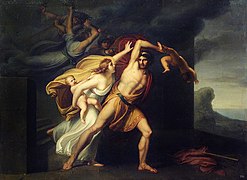
Atamante preso dalle Furie by Arcangelo Migliarini (1801) at Roma, Accademia di San Luca
-

Athamas und Ino by Radierung (17th century)
-
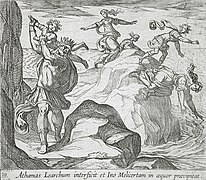
The Insane Athamas Killing Learchus, While Ino and Melicertor Jump into the Sea past Wilhelm Janson (Holland, Amsterdam), Antonio Tempesta (Italy, Florence, 1555–1630) at Los Angeles County Museum of Art, Los Angeles
-

Tisiphone maddens Athamas & Ino (17th century)
-

Athamas tearing apart his children by Godfried Maes
Notes [edit]
- ^ Henry George Liddell. Robert Scott. A Greek-English Lexicon
- ^ Alcman, fragment 83.
- ^ Hesiod, who calls her only Ino, lists her amidst the "glorious offspring" of unions betwixt a mortal and a goddess (Theogony. 975f).
- ^ Bibliotheke i.9.i; "information technology is possible, however", Kerenyi suggests (The Gods of the Greeks p 264) "that originally she did not crusade the seed-corn to exist roasted, simply introduced the practice of roasting corn in general."
- ^ Local tradition sited the suckling of Dionysus at Brasiai in Laconia. (Kerenyi 1951:264).
References [edit]
- Dalby, Andrew (2005), The Story of Bacchus, London:British Museum Press, ISBN0-7141-2255-6 (U.s.a. ISBN 0-89236-742-3) pp. 36–42, 151
- Burkert, Walter, 1992. The Orientalizing Revolution: Almost Eastern Influence on Greek Civilization in the Early on Archaic Age (Cambridge:Harvard University Press).
- Kerenyi, Karl, 1976. Dionysus: Archetypal Image of Indestructible Life (Princeton: Bollingen).
- Kerenyi, Karl, 1951. The Gods of the Greeks (Thames and Hudson).
 | Wikimedia Eatables has media related to Ino. |
Source: https://en.wikipedia.org/wiki/Ino_(Greek_mythology)
0 Response to "Greek Mythology Family Tree Greek Mythology Family Tree"
Post a Comment